
About Us
About Inglis Family Law Firm
Inglis Family Law Firm was founded to provide logical, pragmatic legal guidance to clients facing family law challenges. Led by Christine Inglis, a family law attorney with over 15 years of experience, our firm is committed to helping clients achieve fair, efficient resolutions while minimizing conflict and protecting their financial future.
We understand that family law cases are deeply personal, often involving emotionally and financially high stakes. That’s why we take a solution-focused approach, working to achieve amicable outcomes while being fully prepared to litigate when necessary. Our clients, primarily high-earning male professionals, appreciate our straightforward, clear guidance that helps them make informed decisions about their cases.
Why Choose Us
15+ Years of Family Law Experience
Christine Inglis brings over a decade of family law experience, giving her a deep understanding of California law and how it applies to your case.
Personalized Attention
We handle every case personally, ensuring you receive the dedicated legal support you deserve.
Pragmatic Solutions
We focus on delivering practical, financially sound solutions that work for you and your family.
Staff
Meet Our Team
At Inglis Family Law Firm, our team is committed to providing you with the highest level of legal service and support. We are dedicated to helping you navigate family law matters with clarity and confidence.

Christine Inglis, Founding Attorney
With over 15 years of family law experience, Christine specializes in handling complex divorce cases, post-judgment modifications, and family law mediation. Her pragmatic approach focuses on protecting clients’ financial interests while minimizing conflict.
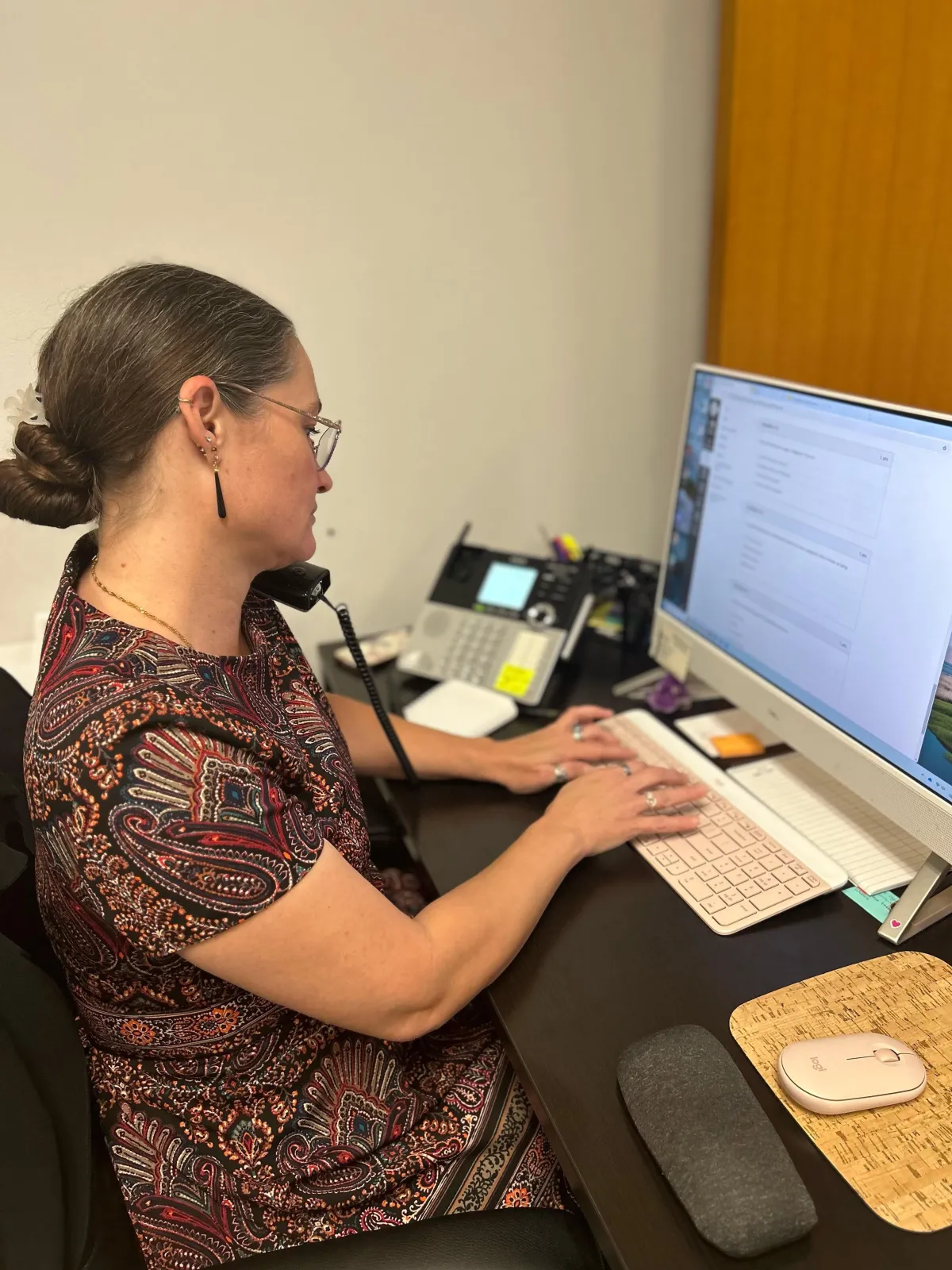
Ruby Cambaliza, Paralegal
Ruby supports clients throughout their cases by managing document preparation and assisting with legal filings, ensuring each step of the process is handled efficiently.
Recent Blog Posts
A Guide to Post-Judgment Modifications in California
When Your Divorce Decree No Longer Fits Your Life: Post-Judgment Modifications
After a divorce judgment is finalized, many people assume the legal process is permanently over, but life rarely stays the same for long. For example, one of you remarries, changes jobs or careers, moves residences, or has health complications. Or a custody schedule that once worked smoothly may become impossible to maintain a few years later. All of these changes come with financial shifts, especially if there are children with evolving needs as well. If your current court orders no longer reflect your reality, you are not stuck with them forever.
Under California law, certain parts of a divorce judgment can be modified after the case is finalized when there has been a “material change in circumstances.” Understanding when modifications are possible and acting before problems escalate can save you time, money, and significant stress.
Which Divorce Orders Can Be Modified?
Not every provision in a divorce judgment can be changed. The orders that can be modified are those where the Court holds ongoing jurisdiction. These are typically in the areas of custody, visitation, child support, and spousal support. Unless there is new information learned about property or debt that wasn’t known to the other party at the time of the divorce, property characterization, valuation, and division are typically not something that can be changed after Judgment.
What Is a “Material Change in Circumstances”?
In California family law, courts generally require a substantial or meaningful change before modifying existing orders. This is known as a “material change in circumstances.” The court will not revisit orders simply because one party is unhappy with the outcome. Instead, there must be evidence that circumstances have changed enough that the current orders are no longer fair, workable, or in the child’s best interests.
Common examples include:
Custody/Visitation
A parent wishing to relocate residences with or without the children
Changes in a child’s educational or medical needs
A breakdown in the existing custody schedule
One parent consistently violating court orders
Changes in a parent’s work schedule
Substance abuse or safety concerns that arise after judgment
New half-siblings being born.
The children reach a certain age where their preferences are taken into account.
Child/Spousal Support:
Remarriage or cohabitation.
A significant increase or decrease in either party’s income
Job loss or career changes
Significant health costs or inability to work due to health reasons.
The key issue is whether the changes are substantial enough to justify revisiting the original order.
Child Custody and Parenting Time
Custody arrangements are often the most common source of post-judgment disputes. What works for a toddler may not work for a middle school student with extracurricular activities, changing school schedules, or social commitments. Likewise, parents’ employment schedules and living arrangements may evolve.
California courts focus on the child’s best interests when evaluating custody modifications. A judge may consider:
Stability for the child
School performance
The child’s relationship with each parent and preference of the child, once they reach a certain age.
Each parent’s ability to co-parent
Relocation plans
Health and safety concerns, including past domestic violence by either parent.
If one parent wants to move a significant distance away with the children, the issue becomes especially important. A proposed relocation can dramatically affect parenting time and may require a formal modification of custody orders.
Child Support
Child support is also modifiable when financial circumstances change. This can be anything from a change in the custodial timeshare (how much time the child is with each parent), an increase in income of either parent, or a decrease in income of either parent. There could also be a change if certain expenses for the child increase, such as child care, health insurance, or education costs.
California uses a statewide guideline formula to calculate child support. Even relatively small changes in income or parenting time can alter support obligations, but typically the change must be be significant enough to alter the amount by at least 10-15% to be considered “significant”.
One critical mistake many people make is waiting too long to seek a modification. Child support does not retroactively adjust to the date circumstances changed. Modifications usually apply only after a request is formally filed with the court. That means delaying action can create substantial arrears or missed support opportunities.
Spousal Support Modifications
Spousal support (alimony) may also be modified in many cases unless the parties specifically agreed that support would be “non-modifiable.” Any instance where the supporting party’s ability to pay changes (loss of income, retirement, health issues, etc.) or the supported party’s need changes (co-habitation, increased income, increased need due to financial or other health issues, or simply the passage of a significant amount of time without attempting to support oneself) is grounds for a modification.
Courts evaluate whether the original support order remains fair in light of current circumstances. In long-term marriages, support issues can become particularly complex because California courts often retain jurisdiction over support for many years after divorce.
What Does the Modification Process Look Like in California?
Post-judgment modifications are handled through the family court that issued the original judgment. While every case is different, unless you and your former spouse reach an agreement in writing that is submitted to the Court (Stipulation and Order), the process generally includes the following steps:
1. Filing a Request for Order (RFO): The process usually begins when one party files a Request for Order asking the court to modify existing terms. The filing must explain what orders should change, what material change of circumstances occurred and what change is requested. Supporting financial documents or declarations are often required.
2. Serving the Other Party: The other party must receive formal notice of the request and have an opportunity to respond. This can be done various ways depending on the type of request and what contact you’ve had with the other party in recent years.
3. Mediation for Custody and Visitation only: If custody or visitation issues are involved, California courts typically require parents to attend mediation before a hearing. Many disputes are resolved during this stage without a contested hearing.
4. Court Hearing: If the parties cannot reach an agreement, the judge will review the request, any response or reply filed thereafter, declarations and supporting evidence to determine whether modification is appropriate.
5. New Orders Issued: If the judge grants the request, updated orders replace the prior terms moving forward.
Why Acting Early Matters
Many people wait until a situation becomes unbearable before seeking a modification. Unfortunately, delay often makes problems more expensive and legally complicated.
For example:
Falling behind on support can create large arrears
Informal custody changes may later become disputed
Relocation conflicts can escalate quickly
Ongoing violations may weaken co-parenting relationships
Addressing problems proactively is usually easier — and less costly — than trying to enforce broken orders after months or years of conflict. In many cases, an attorney can help negotiate updated terms before litigation becomes necessary.
A Final Judgment Is Not Always the Final Chapter
A divorce judgment is designed to reflect your circumstances at a specific moment in time. But life changes, and California law recognizes that some court orders must evolve as families evolve.
If your current custody arrangement no longer works, your income has changed substantially, or support obligations no longer reflect reality, you may have options.
The important thing is to act strategically and early. Seeking a modification before problems spiral out of control can protect your finances, your parenting relationship, and your peace of mind.
At Inglis Family Law Firm, we specialize in these issues and can assist you with the entire process of modification post-Judgment.


The information on this website is for general information purposes only. Nothing on this site should be taken as legal advice for any individual case or situation. This information is not intended to create, and receipt or viewing does not constitute, an attorney-client relationship.
Contact Info
(661)-200-3845
25129 The Old Road, Suite 201
Stevenson Ranch, CA 91381

Copyright © 2025 Inglis Family Law Firm - All Rights Reserved | Privacy Policy | Website Development by 95Visual